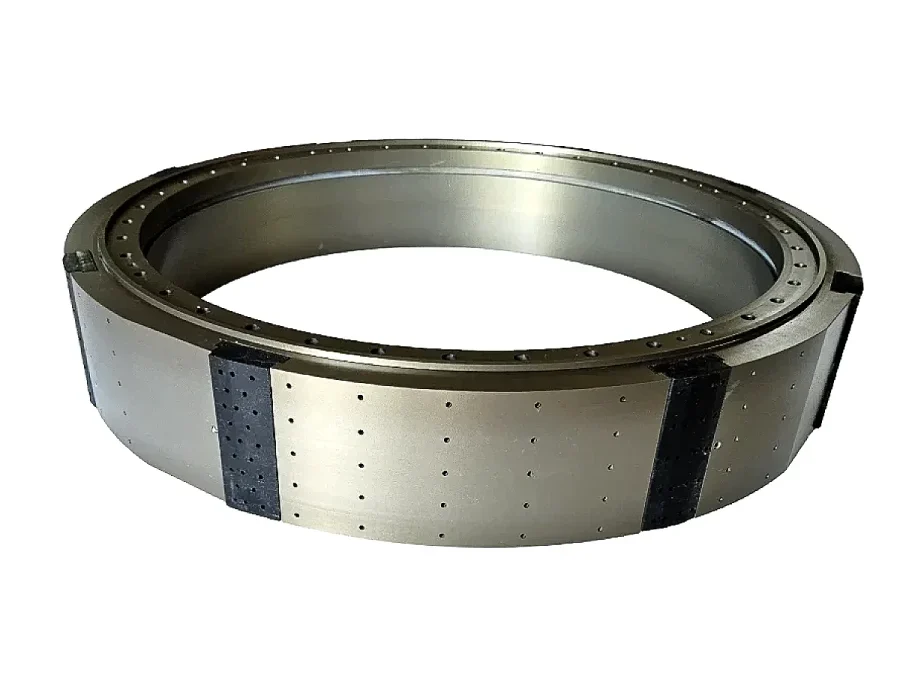
Labeling machines play a significant role in industrial production processes. The quality of materials used in these machines directly affects performance. 7075 aluminum stands out as a material due to its high strength and light weight.
7075 aluminum is particularly preferred in applications requiring durability. Its low weight enhances energy efficiency and facilitates ease of transport.
Some advantages of using 7075 aluminum in labeling machines include:
- High durability
- Low weight
- Good corrosion resistance
- Ease of machinability
In conclusion, 7075 aluminum is an ideal material choice for labeling machines, offering advantages in both performance and cost.
Use of 7075 Aluminum in High-Speed Bottle Labeling Machines and Manufacturing CriteriaIndustrial beverage filling and labeling lines are systems where thousands of bottles are processed per minute, characterized by continuous start-stop movements and high centrifugal forces. These challenging dynamics necessitate minimizing the mass of moving parts. Zinc alloyed 7075 series aluminum competes with steel due to its high strength gained through T6 heat treatment, while standing out for its light weight. However, the success of this material depends on its correct positioning on the machine.
1. Mechanical Characteristics of 7075 Aluminum
7075-T6 aluminum possesses mechanical values that eliminate the risk of deformation and bending found in standard 6000 series alloys:
-
Tensile Strength: ~570 MPa
-
Yield Strength: ~500 MPa
-
Density: 2.81 g/cm³ (approximately 33% of steel)
These values provide operational stability at high speeds by reducing the torque load on motor and gearbox groups, thus lowering energy consumption.
2. Appropriate Application Areas: Dry and High Inertia Regions
7075 aluminum performs optimally in "dry" stations where the risk of corrosion is minimal, but mechanical stress peaks.
-
Labeling Shoes and Station Rollers: Shoes that ensure contact between the bottle and label within milliseconds are continuously exposed to friction. The dimensional stability of 7075 aluminum prevents vibration caused by centrifugal force at high speeds, maintaining labeling accuracy.
-
Cam and Drive Components: In drive transmission parts of guiding stars and spirals, it prevents the slipping of cam channels against the torsional moments created by sudden stop-start movements.
3. Engineering Limit: Wet Volumes and Chemical Exposure
Due to the design of beverage lines, not every area of the machine has the same environmental conditions. The high zinc and copper content of 7075 aluminum enhances its mechanical strength but weakens its corrosion resistance. Therefore, the usage limits of the material must be sharply defined.
Material Selection in Rinser and Filling Units:
Rinser gripper mechanisms, where bottles are inverted and washed, and filling nozzle surroundings are the most aggressive wet areas of the machine. These regions are continuously exposed to water, moisture, and acidic/basic CIP (Clean-in-Place) cleaning chemicals.
Although hard anodizing provides surface hardness to aluminum, chemicals that may seep through micro-scratches can initiate corrosion beneath the coating, leading to material failure. Standards for food safety (hygienic design) and longevity are clear in these mechanisms:
| Machine Area | Environmental Conditions | Optimum Material Selection |
| Labeling Station | Dry, high-speed, mechanical friction | 7075-T6 Aluminum (Hard Anodized) |
| Rinser Gripper (Jaws) | Wet, aggressive CIP chemicals | 304 / 316 Stainless Steel + POM (Delrin) |
| Main Frame and Wet Subassembly | Continuous washing, water accumulation | 304 Grade Stainless Steel |
In moving parts that come into direct contact with the bottle mouth and are continuously wet, the combination of high wear-resistant food-grade plastics (POM/Delrin) with 316 grade stainless steel is the industrial standard.
4. Manufacturing Processes and Machining Dynamics (CNC)
7075 aluminum offers significant advantages in mold making and custom part production in the manufacturing workshop.
-
CAD and Topology Optimization: Parts designed using software like Siemens NX allow designers to safely thin wall thicknesses due to the high yield strength of 7075, enabling aggressive pocketing for weight reduction.
-
CNC Machining (Machinability): In CNC vertical machining and turning centers equipped with Fanuc or Mitsubishi control units, 7075 alloy chips excellently break during machining. It can be processed at much higher cutting speeds (Vc) and feed rates (F) compared to steel, reducing tool wear while bringing surface roughness (Ra) close to mirror finish.
-
Hard Anodizing Requirement: Parts made of 7075 aluminum to be used in dry areas must undergo hard anodizing to achieve surface hardness levels of 60-70 HRC and minimize friction wear to zero.
Conclusion
In the manufacturing of high-capacity bottle labeling machines, the 7075 aluminum alloy is not a "one-size-fits-all" material, but a tactical tool that solves specific mechanical issues. While the corrosion risk in wet volumes and rinser units is managed with 304/316 stainless steels and engineering plastics, the use of 7075 aluminum in dry areas, where inertia and speed are critical, is a visionary manufacturing choice that directly improves the overall efficiency, downtime, and lifespan of the machine.